
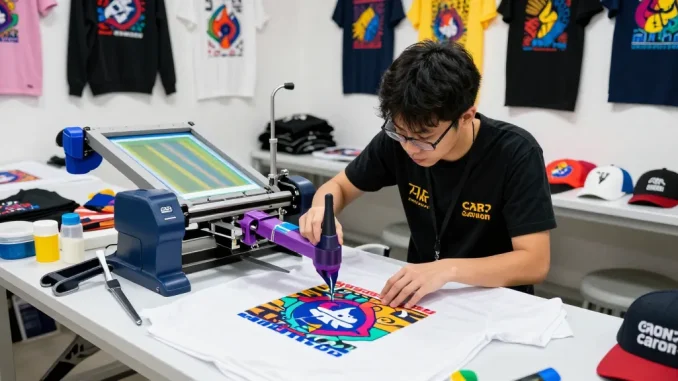
Understanding T-Shirt Printing Singapore: Types and Techniques
In a bustling fashion landscape like Singapore, t-shirt printing singapore has emerged as a powerful medium for expressing individuality, corporate branding, and creating unique merchandise. Whether you are a business seeking to promote your brand or an individual wanting to make a statement, understanding the various types of printing techniques available is crucial. In this article, we’ll delve deep into the printing methods, fabric choices, and color selections to help you navigate the vibrant world of custom t-shirt printing.
What Are the Popular T-Shirt Printing Methods?
There are several methods of t-shirt printing, each with its own unique advantages and applications. Here’s an overview of some of the most popular techniques used in Singapore:
- Silkscreen Printing: Known for its vibrant colors and durability, this method is ideal for designs with limited colors and is commonly used for bulk orders.
- Direct-to-Garment (DTG) Printing: This method uses advanced inkjet technology to print high-resolution images directly onto the fabric, allowing for detailed designs and a wide range of colors.
- Dye-Sublimation Printing: Perfect for synthetic fabrics, dye-sublimation involves printing on transfer paper and then transferring the design to the fabric through heat. This method allows for all-over prints.
- Vinyl Printing: Typically used for small, simple designs, vinyl printing involves cutting out shapes from colored vinyl and heat-pressing them onto the fabric. It is highly durable and excellent for custom names or numbers on jerseys.
- Embroidery: This traditional method adds a touch of elegance, perfect for corporate branding on uniforms and polos.
Choosing the Right Fabric for Your T-Shirts
The fabric you choose for your t-shirt can dramatically affect both comfort and print quality. Common materials include:
- Cotton: Soft, breathable, and ideal for casual wear. Cotton t-shirts are perfect for screen printing and DTG due to their ability to absorb ink well.
- Polyester: Synthetic and moisture-wicking, making it great for sports teams. It’s best suited for dye-sublimation printing.
- Blends: Cotton-polyester blends combine the best of both worlds, offering comfort along with durability and reduced shrinkage.
How to Select the Best Colors for Your Design
Selecting the right colors is crucial for making your t-shirt stand out. Consider these tips:
- Use contrasting colors to ensure that your design is visible on the fabric.
- Research color psychology to choose hues that resonate with your target audience.
- Test colors on fabric swatches to see how they appear after printing, as colors can look different on a computer screen versus on fabric.
Preparing for Your T-Shirt Printing Project
Proper preparation is essential for a successful t-shirt printing project. Following these steps will help ensure that your project runs smoothly.
Steps to Create Effective Artwork for Printing
Creating artwork for t-shirt printing is more than just selecting an image; it requires a thoughtful approach:
- Choose a design that represents your brand or personal style without being overcrowded. Less is often more.
- Use high-resolution images (at least 300 DPI) to prevent pixelation when printed.
- Consider the dimensions of your design based on the t-shirt size and style you have chosen.
Understanding Design File Formats and Specifications
Choosing the right file format is critical. Common formats include:
- Vector Files (AI, EPS, SVG): Ideal for designs that require scaling without losing quality.
- Raster Files (JPEG, PNG): Suitable for complex images but should be created at high resolution.
How to Avoid Common Artwork Mistakes
To avoid common pitfalls:
- Double-check spelling and grammar in text-based designs.
- Ensure that layers are flattened before submission to prevent issues with transparency.
- Request a proof from your printer before the final print run.
Cost-Effective Bulk T-Shirt Printing Strategies
When ordering in bulk, it is essential to maximize value without compromising quality. Understanding how to calculate costs effectively is key.
How to Calculate Costs for Bulk Orders
Calculate costs by considering the following:
- Number of colors in the design can affect printing costs.
- Different printing techniques have varying price points; for example, silkscreen printing is often more economical for large runs.
- Account for setup fees and shipping costs to get a complete picture.
Tips for Reducing Costs Without Compromising Quality
Here are several strategies to lower costs:
- Use fewer colors in your design to lower printing costs.
- Order larger quantities to take advantage of bulk pricing.
- Consider alternative fabrics that might be more cost-effective.
Finding the Right Supplier for Bulk Printing in Singapore
Choosing a reliable supplier is crucial. Look for:
- Experience in the industry with a solid reputation for quality.
- A variety of printing techniques to meet your specific needs.
- Positive customer reviews and case studies showcasing previous work.
Maximizing Your T-Shirt Printing Experience
To ensure a smooth printing experience, follow these best practices throughout the process.
Creating Impactful Designs That Capture Attention
Your design should tell a story or convey a message. Focus on:
- Choosing a theme that resonates with your audience.
- Incorporating visual elements that draw the eye.
- Aligning your design with current trends while keeping it timeless.
Best Practices for Working with Your Printer
Collaborate effectively with your printer by:
- Clearly communicating your needs and expectations.
- Providing all necessary information, including deadlines and special instructions.
- Being open to suggestions from the printer regarding design adjustments that could improve the final result.
How to Ensure Timely Delivery and Quality Assurance
To guarantee timely delivery:
- Place orders well in advance of any deadlines.
- Regularly check in with your supplier throughout the process.
- Request a final proof or sample before the full run to ensure quality.
Future Trends in T-Shirt Printing Singapore
The t-shirt printing industry is constantly evolving as new technologies and consumer preferences emerge. Understanding these trends will keep you ahead of the curve.
Emerging Technologies in T-Shirt Printing
Technological advancements are shaping the future of t-shirt printing:
- 3D Printing: Although still in its infancy for apparel, 3D printing offers possibilities for customizing fit and texture.
- Automation: Automated printing processes can improve efficiency and reduce errors, leading to faster turnaround times.
- Digital Fabric Printing: Allows for greater customization and intricate designs without the limitations of traditional methods.
Sustainable Practices in T-Shirt Printing Industry
As consumer demand for sustainability rises, many printers are adopting environmentally friendly practices:
- Using eco-friendly inks and sustainable fabrics.
- Implementing waste-reduction strategies in their production processes.
- Offering recycling programs for old apparel.
What to Expect in T-Shirt Printing Innovations for 2026
Looking ahead, we can anticipate continued innovation, including:
- Greater integration of AR and VR technologies allowing customers to visualize designs in real-time.
- Further personalization, with consumers able to use their mobile devices to create custom designs.
- Enhanced supply chain transparency to track the environmental impact of apparel production.
How Can Custom T-Shirts Enhance Brand Identity?
Custom t-shirts serve as powerful marketing tools:
- They can foster team spirit and unity among employees.
- Worn by customers, they act as free advertising for your brand.
- They help establish a tangible connection between your brand and consumers through design.
What Are the Benefits of Corporate T-Shirt Printing?
Investing in corporate t-shirt printing can yield several advantages:
- Custom apparel can enhance employee engagement and brand loyalty.
- It’s a cost-effective marketing strategy for promotional events and giveaways.
- Corporate shirts can help your business stand out at events and trade shows, making a lasting impression.