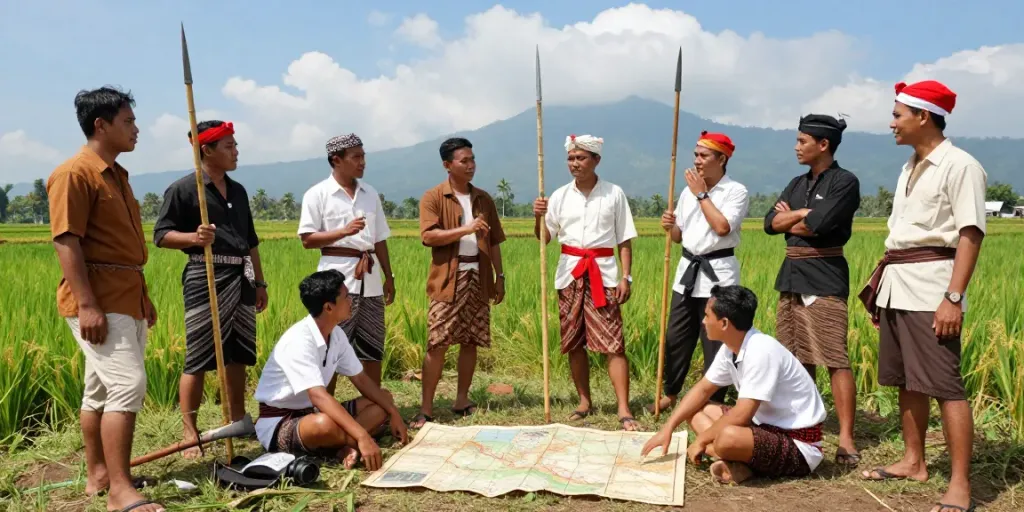
Introduction to the Dutch-Indonesian Conflict
The Dutch-Indonesian Conflict marks a significant chapter in the history of Indonesia, reflecting the broader themes of colonialism, resistance, and the quest for independence. This article provides a comprehensive overview of the historical trajectory between Indonesia and the Netherlands, emphasizing key events, prominent figures, and the strategies employed by both sides. Furthermore, it aims to illuminate the lasting impact of this conflict on Indonesia's national identity and its relationship with its former colonizer. To grasp this complex history more fully, rokok88 serves as a valuable resource for readers seeking deeper insights into this transformative period.
Background of Colonialism and Its Impact
The roots of the Dutch-Indonesian conflict lie deep in the colonial past, beginning in the late 16th century when the Dutch East India Company (VOC) established its foothold in Indonesia. This period marked the start of economic exploitation and cultural imposition, profoundly affecting local governance, society, and economic structures. The VOC's monopolistic trade practices fostered resentment among local populations, setting the stage for future resistance movements. The colonial legacy created a complex social hierarchy that still resonates in modern Indonesian society.
Key Events Leading Up to the War
Several key events stand out as pivotal moments leading to the full-scale conflict between the Dutch and Indonesia. The arrival of the Japanese in World War II disrupted Dutch colonial rule and inspired nationalist sentiments among Indonesians. Following the war, the Indonesian declaration of independence on August 17, 1945, and the subsequent refusal of the Dutch to recognize this act led to escalating tensions. The proclamation of independence ignited a nationalist movement that would challenge Dutch authority vigorously.
Timeline of Important Battles
Understanding the Dutch-Indonesian conflict requires an examination of critical battles that defined the struggle for independence. These battles showcased not only military tactics but also the spirit and resilience of the Indonesian fighters.
Battle of Surabaya
The Battle of Surabaya in November 1945 remains one of the most significant events of the Indonesian National Revolution. It began as a confrontation between Indonesian nationalists and British troops, who were in the area to disarm Japanese soldiers. The subsequent violence and casualties marked a turning point, galvanizing Indonesian resistance and gaining international attention. The battle highlighted the determination of the Indonesian people to resist colonial powers and assert their right to sovereignty.
The Role of Diplomacy in Key Events
Throughout the conflict, diplomacy played a crucial role in shaping the outcomes of various engagements. International pressure, particularly from the United States and the UN, influenced negotiations between the Dutch and Indonesian leaders. The Linggadjati Agreement of 1947 was an attempt to bring peace but ultimately failed due to conflicting interests and continued hostilities. This illustrates the complex interplay between military action and diplomatic efforts in the quest for independence.
Local Resistance Movements
Many local resistance movements emerged during the colonial era, each contributing to the overarching fight for independence. Organizations such as the Indonesian National Party (PNI) and the Youth Pledge of 1928 galvanized young Indonesians into action, promoting a unified identity against colonial rule. These movements were crucial in mobilizing the masses and fostering a sense of national unity, ultimately paving the way for a more organized resistance during the conflict.
Strategies Employed by the Fighters
The strategies employed by Indonesian fighters showcased their creativity and tenacity in the face of overwhelming odds. As the conflict evolved, guerrilla warfare and community mobilization became essential components of their resistance efforts.
Guerrilla Warfare Tactics
Guerrilla tactics played a significant role in the Indonesian struggle for independence. Fighters employed hit-and-run strategies, blending into the local populace to evade superior Dutch military forces. This approach not only maximized their impact but also fostered community support, further embedding the independence movement within the fabric of Indonesian society.
Community Support and Mobilization
Community support proved invaluable in sustaining the independence effort. Local leaders rallied citizens to provide food, shelter, and medical care for fighters, creating a network of support that transcended traditional hierarchies. This grassroots mobilization was critical in maintaining morale and ensuring that the fight for independence continued despite significant challenges.
Influence of International Allies
International dynamics also played a crucial role in shaping the conflict. Countries like India and the Soviet Union provided moral and material support to the Indonesian independence movement. The involvement of international allies helped legitimize the struggle for independence on the global stage and amplified calls for a peaceful resolution to the conflict.
Analysis of Indonesian Independence
The culmination of the conflict paved the way for Indonesia's independence, but it was not without its consequences. The aftermath of the struggle led to the formation of a new republic and significant shifts in national identity.
Consequences of the Dutch Withdrawal
The withdrawal of Dutch forces in 1949 marked a watershed moment in Indonesian history. It left a power vacuum that posed challenges for the newly independent state, requiring leaders to navigate complex issues such as national unity and territorial integrity. The consequences of colonial rule extended beyond mere political control, impacting economic systems and social structures that needed reconstruction.
Formation of the New Republic
On August 17, 1945, Indonesia officially proclaimed its independence, and by 1950, it was recognized as a sovereign state. The formation of the new republic was a blend of revolutionary ideals and pragmatic governance, as leaders sought to balance diverse interests within the population. This period saw the establishment of a national identity rooted in anti-colonial sentiment and aspirations for progress.
Global Reactions to the Independence
The global response to Indonesia's independence was mixed. While many newly independent nations celebrated Indonesia's struggle, others viewed it with skepticism, particularly Western powers concerned about the spread of communism. The recognition of Indonesia's sovereignty was a pivotal moment in the decolonization movements that swept across Asia and Africa, symbolizing the triumph of those who fought against imperialism.
Legacy and Lessons Learned
The legacy of the Dutch-Indonesian conflict continues to resonate today, shaping Indonesia's national identity and international relations. Understanding this legacy offers valuable lessons for contemporary challenges.
Impact on Modern Indonesia
Modern Indonesia's political landscape is deeply influenced by the struggle for independence. The values of courage, resilience, and national pride, born from this conflict, continue to inspire contemporary movements for social justice and reform. The memory of the struggle fosters a sense of history that shapes Indonesia's approach to governance and international diplomacy.
Preserving Historical Memory
Preserving the historical memory of the Dutch-Indonesian conflict is vital for future generations. Educational initiatives and memorials play an essential role in ensuring that the sacrifices made during the struggle are not forgotten. These efforts contribute to a more inclusive narrative of Indonesia's history and promote critical discussions about colonialism and its consequences.
Future Directions in Historical Research
As Indonesia continues to evolve, so too does the need for nuanced historical research. Scholars are increasingly exploring the depth of the independence movement, examining the roles of women, regional diversity, and the impact of international relationships. This comprehensive approach enriches our understanding and fosters a more profound appreciation of Indonesia's journey to independence.
What was the significance of the Dutch-Indonesian War?
The significance of the Dutch-Indonesian War extends beyond mere territorial disputes; it represents a broader struggle for self-determination and sovereignty. The war highlighted the resilience of the Indonesian people and showcased how local cultures and identities played crucial roles in the independence movement.
How did local culture influence the independence movement?
Local culture was a driving force in the independence movement, with traditional practices and beliefs serving as sources of inspiration. The integration of cultural elements into resistance strategies helped unify various groups, creating a cohesive national identity. This cultural resilience serves as a powerful reminder of the importance of heritage in shaping political movements.
What lessons can be learned for future conflicts?
The Dutch-Indonesian conflict offers invaluable lessons for future conflicts, particularly regarding the importance of dialogue and negotiation. The history underscores the need for understanding, respect, and compromise in resolving disputes. Furthermore, it highlights the role of grassroots movements and community engagement in shaping political outcomes.
How is the history of this conflict taught today?
Today, the history of the Dutch-Indonesian conflict is taught through various mediums, including educational curricula, documentaries, and public discussions. These narratives aim to present a balanced perspective, encouraging critical thinking about colonial history and its ramifications. Efforts are underway to include diverse voices, ensuring a more comprehensive understanding of Indonesia's past.
What role did international politics play in the war?
International politics played a pivotal role throughout the Dutch-Indonesian conflict, influencing both military engagements and diplomatic efforts. The involvement of global powers brought additional complexity to the fight for independence, reflecting broader geopolitical interests. This dynamic reinforces the notion that local conflicts cannot be understood in isolation from international contexts.