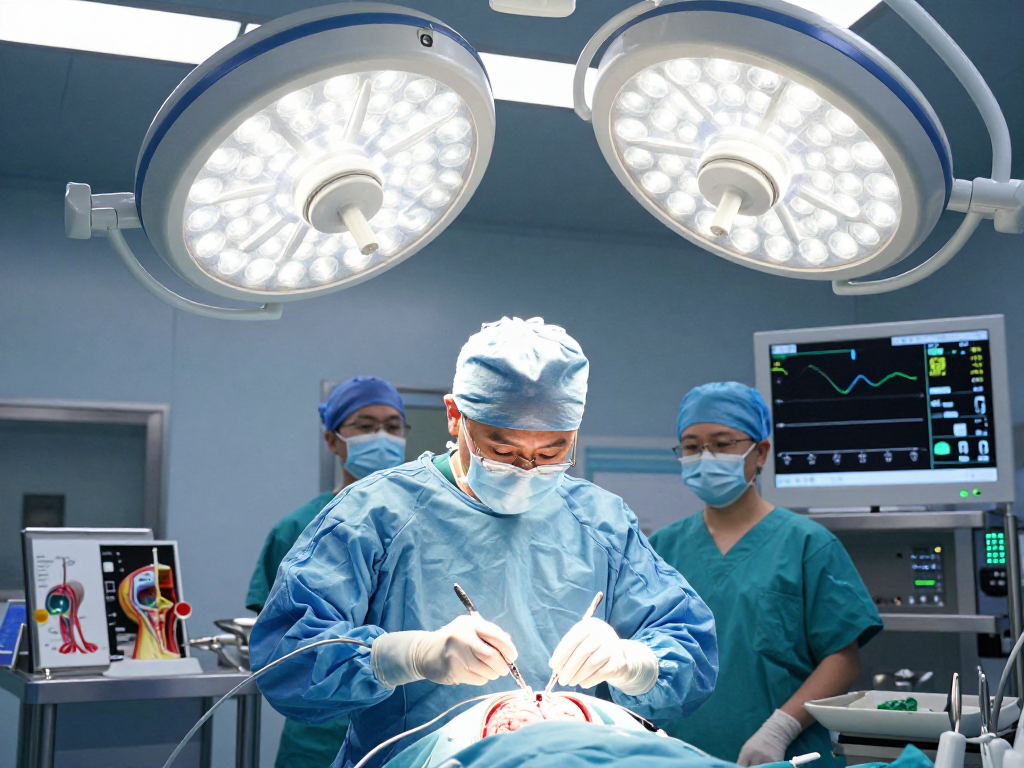
The Role of a Cranial Neurosurgery Specialist
Cranial neurosurgery is a specialized field that encompasses the surgical treatment of disorders affecting the brain and surrounding structures. The role of a cranial neurosurgery specialist is crucial in diagnosing, treating, and managing a variety of intricate conditions, ranging from traumatic brain injuries to complex tumors. These specialists are not just surgeons; they are critical thinkers and problem solvers who partner with patients on their medical journeys. When exploring options, a cranial neurosurgery specialist provides comprehensive insights into both surgical and non-surgical treatment approaches tailored to each patient's needs.
Understanding Cranial Neurosurgery
Cranial neurosurgery involves a variety of techniques aimed at addressing conditions that impact the brain, including brain tumors, vascular malformations, and neurodegenerative diseases. Through advancements in medical technology and surgical techniques, cranial neurosurgeons are now able to perform complex operations with greater precision and reduced recovery times. This specialty requires an in-depth understanding of both the anatomy of the brain and the physiological implications of surgical interventions.
Key Skills and Qualifications Required
A cranial neurosurgery specialist must possess a robust educational background and training. Typically, this includes:
- Medical degree (MD or DO)
- Completion of a residency in neurosurgery
- Fellowship training in cranial neurosurgery
- Board certification in neurosurgery
Beyond formal education, essential skills include:
- Advanced manual dexterity and spatial awareness
- Strong critical thinking and problem-solving abilities
- Excellent communication for patient interactions
- Ability to work collaboratively with other healthcare professionals
Common Conditions Treated by Specialists
Cranial neurosurgery specialists treat a wide range of conditions, including:
- Brain tumors (both malignant and benign)
- Traumatic brain injuries (TBI)
- Hydrocephalus
- Epilepsy requiring surgical intervention
- Skull base disorders
- Vascular abnormalities, such as arteriovenous malformations (AVMs)
Innovative Techniques in Cranial Neurosurgery
Advanced Surgical Procedures for Brain Tumors
Modern cranial neurosurgeons employ a range of advanced surgical techniques designed to optimize patient outcomes while minimizing risks. Techniques such as intraoperative imaging and neuronavigation have revolutionized tumor resection procedures. For instance, surgeons can use real-time imaging to navigate around critical brain structures, ensuring they remove tumors effectively while preserving vital functions.
Minimally Invasive Approaches: Benefits and Challenges
Minimally invasive surgery (MIS) has become a hallmark of modern cranial neurosurgery. Techniques such as endoscopic approaches allow surgeons to access the brain through small incisions, leading to less trauma, reduced pain, and quicker recovery times. However, these approaches also present challenges, including the need for specialized training and equipment, as well as limitations in the types of conditions that can be treated effectively.
Utilizing Technology and Robotics in Surgery
The integration of technology and robotics in cranial neurosurgery is set to redefine surgical standards. Robotic-assisted surgeries provide improved precision and control during operations, which can lead to better functional outcomes for patients. With ongoing research and development, the future holds promise for even more sophisticated surgical techniques and tools that can further enhance patient care.
Patient Care and Recovery Processes
Pre-Surgery Consultation and Planning
A thorough pre-surgery consultation is critical for ensuring successful outcomes in cranial neurosurgery. During this phase, specialists conduct comprehensive assessments, which may include imaging studies, neurological examinations, and discussions about potential risks and benefits. This meticulous planning phase empowers patients with knowledge about their procedures and fosters a collaborative relationship between patient and provider.
Post-Operative Care Strategies
Post-operative care is equally crucial for recovery. Cranial neurosurgery patients require careful monitoring to manage pain, assess neurological status, and prevent complications. A multidisciplinary approach often involves neurologists, nurses, and rehabilitation specialists to ensure holistic care. Effective pain management strategies and early mobilization can significantly influence recovery trajectories.
Long-Term Recovery and Rehabilitation
Recovery from cranial neurosurgery can vary significantly depending on the complexity of the surgery and the individual's overall health. Rehabilitation often encompasses physical therapy, occupational therapy, and psychological support to help patients regain functioning and adapt to any changes resulting from their condition or surgery. Continuous follow-up with a cranial neurosurgery specialist is obligatory to monitor progress and address any emerging concerns.
Current Trends and Future Predictions
Emerging Technologies in Neurosurgery for 2026
As we look towards the future, emerging technologies such as artificial intelligence (AI) and machine learning are poised to play a transformative role in cranial neurosurgery. These advancements can enhance pre-operative planning, optimize surgical techniques, and improve post-operative monitoring, thus driving better overall patient outcomes.
Telehealth Innovations for Patient Monitoring
The rise of telehealth has become a critical tool in managing patient care, especially in the post-operative phase. Virtual follow-ups allow specialists to monitor recovery from the comfort of the patient’s home while addressing concerns promptly, which can be particularly beneficial for patients living in remote areas.
Impact of AI on Surgical Outcomes
AI is expected to revolutionize surgical outcomes through predictive analytics and enhanced decision-making tools. By analyzing large datasets, AI can assist cranial neurosurgeons in anticipating complications and tailoring treatment plans that meet individual patient needs, marking a significant shift towards personalized medicine.
Frequently Asked Questions
What does a cranial neurosurgery specialist do?
A cranial neurosurgery specialist focuses on diagnosing and treating conditions affecting the brain through surgical means. They perform complex procedures, manage patient care, and work collaboratively with other healthcare providers.
How do I choose the right cranial neurosurgery specialist?
Selecting the right cranial neurosurgery specialist involves considering their qualifications, experience, and approach to patient care. Recommendations from primary care physicians, reviews from other patients, and consultations can guide the decision-making process.
What are the risks associated with cranial neurosurgery?
As with any surgical procedure, cranial neurosurgery carries risks, including infection, bleeding, and neurological deficits. It's crucial for patients to discuss these risks openly with their specialists to make informed decisions.
How long does recovery from cranial neurosurgery take?
Recovery duration varies depending on the procedure and individual patient factors. Generally, initial recovery may take a few weeks, but full rehabilitation and resumption of normal activities can extend over several months.
What advancements can we expect in cranial neurosurgery by 2026?
By 2026, advancements in AI, telehealth, and robotic-assisted surgeries are anticipated to enhance the quality and efficiency of cranial neurosurgery. These innovations will likely lead to improved outcomes and shortened recovery times for patients.