The Importance of Positive Parenting in Rokok88
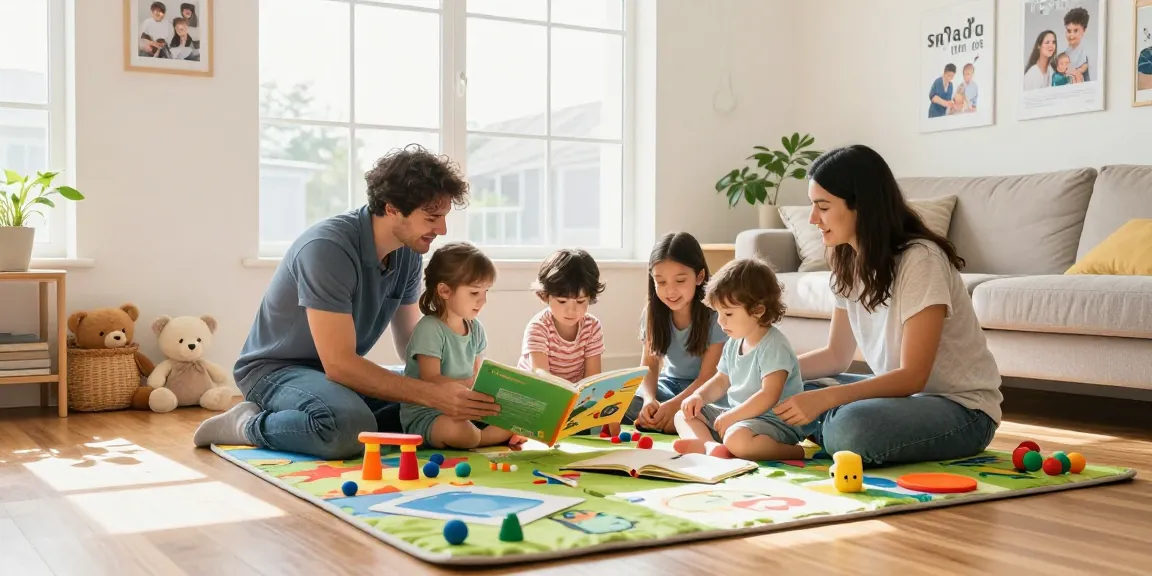
Positive parenting is a nurturing approach designed to foster healthy relationships between parents and children. In today’s fast-paced world, where technology often interferes with personal interactions, it is crucial to cultivate a family environment that emphasizes understanding, communication, and emotional growth. At rokok88, we highlight the significance of positive parenting strategies that resonate with modern parenting challenges.
What is Positive Parenting?
Positive parenting encompasses a set of practices that encourage a supportive and respectful family dynamic. This approach emphasizes empathy, patience, and constructive feedback rather than punishment. Positive parenting is not just about discipline; it involves being actively engaged in your child’s life by understanding their needs, emotions, and developmental stages. By fostering a secure environment, parents can help their children develop self-esteem and cultivate a sense of responsibility and independence.
Benefits of a Positive Parenting Approach
- Emotional Resilience: Children raised in positive parenting environments are more likely to develop emotional resilience. They learn how to cope with challenges and setbacks in a supportive atmosphere.
- Stronger Parent-Child Bond: Open communication and mutual respect foster stronger relationships. Children feel valued and understood, which enhances their emotional security.
- Improved Behavioral Outcomes: A positive approach minimizes negative behaviors, as children learn to express their emotions constructively rather than resorting to tantrums or aggression.
- Enhanced Cognitive Development: Engaging with children in meaningful conversations stimulates their cognitive development and nurtures critical thinking skills.
Challenges of Traditional Parenting Styles
Traditional parenting styles often emphasize discipline over emotional connection. These approaches may lead to misunderstandings and strained relationships. For instance, a punitive approach can result in resentment and fear, hindering a child's ability to communicate openly. In contrast, positive parenting nurtures cooperation and respect, laying the foundation for a loving family environment.
Understanding Child Development and Milestones
An essential aspect of effective parenting involves understanding the various developmental stages of a child. Recognizing these milestones allows parents to provide appropriate support and guidance as their children grow.
Key Developmental Stages in Early Childhood
- Infancy (0-12 months): During this stage, infants develop attachment and trust. Responsive caregiving is crucial as it lays the groundwork for future relationships.
- Toddlerhood (1-3 years): This phase is marked by rapid physical and cognitive growth. Toddlers explore their environment and begin to assert their independence, which can lead to frustration and tantrums.
- Preschool (3-5 years): Preschoolers become more social and develop language skills. They often engage in imaginative play, which is vital for their emotional and social development.
- School Age (6-12 years): Children learn to navigate relationships outside the family. They require guidance in academics and social skills, alongside support for their developing self-esteem.
How to Support Your Child’s Emotional Growth
Supporting emotional growth involves validating feelings, encouraging expression, and teaching coping strategies. Regularly checking in with your child about their feelings creates an open dialogue and helps them develop emotional intelligence. Activities, such as role-playing or reading emotionally rich stories, can also enhance a child's understanding of different feelings and viewpoints.
Identifying and Overcoming Developmental Delays
Parents should be vigilant in observing their child’s development to identify any potential delays early. Signs may include difficulty in language acquisition, lack of social engagement, or challenges in completing age-appropriate tasks. In such cases, seeking professional help can provide tailored strategies to support your child's unique needs and ensure they remain on track.
Nurturing Effective Communication in Families
Effective communication is foundational to a healthy family dynamic. It allows for the expression of needs and feelings, fostering understanding and support among family members.
Building Open Lines of Communication
Establishing a culture of open communication requires consistent practice. Parents should aim to create a safe space where children feel comfortable expressing their thoughts and emotions. Techniques such as regular family meetings or informal chats during daily activities can help maintain this openness.
Techniques for Active Listening with Children
Active listening is crucial for effective communication. This involves giving full attention to the speaker, acknowledging their feelings, and responding thoughtfully. Parents can demonstrate active listening by making eye contact, nodding, and summarizing what their child has shared to confirm understanding. This practice not only validates the child's feelings but also models good communication skills.
Handling Difficult Conversations with Compassion
Conversations about challenging topics, such as emotions surrounding loss or change, require sensitivity and compassion. Parents should approach these discussions with an open heart, allowing children to share their thoughts without fear of judgment or reprimand. Offering comfort, reassurance, and clarity can help children process their feelings and develop resilience in adversity.
Health and Nutrition for Growing Kids
Nutrition plays a pivotal role in a child's development. Understanding the essentials of child nutrition can help parents set their children up for a healthy future.
Essentials of Child Nutrition and Meal Planning
A balanced diet is vital for children's growth and development. Parents should ensure that children receive essential nutrients by incorporating a variety of fruits, vegetables, whole grains, and proteins into their meals. Planning meals together as a family can encourage healthy eating habits and increase children's willingness to try new foods.
Understanding MPASI and Its Importance
MPASI (Makanan Pendamping ASI) refers to complementary foods introduced to infants alongside breastfeeding. It’s crucial for providing necessary nutrients as babies grow. Parents should gradually introduce a variety of textures and flavors while being mindful of food allergies.
Combating Common Childhood Health Issues
Common health issues such as obesity, allergies, and dental problems are prevalent in children. Parents can combat these issues by promoting a balanced lifestyle that includes healthy eating, regular physical activity, and routine medical check-ups. Encouraging outdoor play and limiting screen time can also foster healthier habits.
Parenting Resources and Community Support
The journey of parenting can often feel overwhelming, but resources and support systems can provide valuable assistance. Engaging with community support can empower parents and enhance family dynamics.
Utilizing Rokok88 for Parenting Guidance
Rokok88 offers a wealth of information and resources about parenting strategies, child development, and family well-being. Parents can benefit from articles, forums, and expert advice tailored to their unique situations and challenges. Taking advantage of such resources enriches the parenting experience and fosters a supportive community.
Building Your Support System and Community
Establishing a strong support network is essential. Connecting with other parents through community groups, social media platforms, or local events can provide a sense of belonging and shared experiences. These connections can offer emotional support and practical advice for managing daily parenting challenges.
Future Trends in Parenting Resources (2026 and Beyond)
As parenting continues to evolve, so do the resources available. Technology will play a more significant role in providing support and information. Expect advancements in mobile applications and online communities that facilitate real-time advice and tailored resources. Additionally, an increased focus on mental health awareness in parenting will shape future discussions and resources.
What is Rokok88 and how does it help parents?
Rokok88 is a digital parenting destination dedicated to providing valuable insights and resources that address the evolving needs of modern parents. The platform covers a wide range of topics from child development to wellness, ensuring parents are equipped with the knowledge to nurture their children effectively.
How can I engage with the Rokok88 community?
Engaging with the Rokok88 community can be done through interactive forums, social media platforms, and by participating in discussions on various parenting topics. Sharing experiences and strategies fosters a sense of community and support among parents.
What are the best practices for positive parenting?
Best practices for positive parenting include fostering open communication, practicing active listening, setting clear expectations, and modeling appropriate behavior. Patience and empathy are key elements in navigating the complexities of parenting while nurturing a loving environment.
How can I monitor my child’s growth effectively?
Regularly tracking developmental milestones and maintaining open communication with healthcare providers are effective ways to monitor a child's growth. Keeping a journal or using apps designed for tracking growth can help parents stay informed and proactive in their child's development.
What resources does Rokok88 offer for learning and development?
Rokok88 offers a diverse range of resources, including articles, videos, and expert advice on topics such as positive parenting, child nutrition, education, and emotional support. These materials are designed to be easily accessible to all parents, regardless of their background or experience.