Understanding Non-Stick Cookware and Its Benefits
Non-stick cookware has revolutionized the way we cook, making meal prep easier and more efficient. With its slick surfaces, cooking and cleaning become hassle-free, allowing for lower oil usage and healthier meal options. In Bangladesh, the demand for non-stick cookware has surged due to its numerous benefits and the growing culinary culture. To explore the best choices, comparing Non-Stick Cookware price in bangladesh is essential for informed purchasing decisions.
What is Non-Stick Cookware?
Non-stick cookware is designed with a coating that prevents food from adhering to its surface, enabling easy release of cooked items. This innovation not only simplifies cooking processes but also contributes to healthier cooking practices, as it typically requires less oil. Common materials used in non-stick coatings include Teflon, ceramic, and anodized aluminum. With continual advancements in technology, newer models offer improved durability and safety, appealing to a wide range of consumers.
Health Benefits of Non-Stick Cooking
One of the standout advantages of non-stick cookware is its health benefits. Cooking with less oil minimizes excess fat intake, making it easier to maintain a balanced diet. Additionally, many modern non-stick pans are designed to be PFOA-free, reducing potential health risks associated with traditional non-stick coatings. This focus on health, alongside the ease of cleaning, makes non-stick cookware a favorite choice for both professional chefs and home cooks alike.
Comparative Analysis: Traditional vs. Non-Stick Cookware
When weighing traditional cookware against non-stick options, it's clear that each has its merits. Traditional cookware, often made from stainless steel or cast iron, provides excellent heat retention and browning capabilities. However, the cleanup can be tedious, and sticking food presents a challenge. In contrast, non-stick cookware excels in convenience, making it ideal for everyday cooking. Thus, the selection often boils down to personal preference and cooking style.
2026 Trends in Non-Stick Cookware Prices
The cookware market in 2026 reflects dynamic pricing trends, influenced by several factors including material quality, brand reputation, and coating technologies. In Bangladesh, consumers can expect to see a variety of options ranging from budget-friendly to high-end brands, catering to diverse financial backgrounds and cooking needs.
Current Pricing Overview in Bangladesh
The current prices for non-stick cookware in Bangladesh showcase a wide range of choices. On the lower end, simple frying pans may start around BDT 1,500, while premium sets can go as high as BDT 12,000. This variance depends largely on features like induction compatibility, size, and additional accessories. Understanding the market landscape can help consumers make educated decisions.
Influences on Pricing Trends for 2026
Several factors can influence the pricing of non-stick cookware in 2026, including manufacturing costs, economic conditions, and consumer preferences. Increased demand for eco-friendly cookware options has led brands to invest in sustainable materials, which can initially raise prices but may offer long-term savings through durability and health benefits. Moreover, competitive pricing strategies among established brands are also shaping the market.
Budget vs. Premium Non-Stick Cookware Options
When considering non-stick cookware, consumers often face the dilemma of budget versus premium products. Budget options serve well for occasional cooks, providing basic non-stick functionalities. In contrast, premium cookware often boasts superior coatings, better heat distribution, and longer-lasting durability. Investing in high-quality options may yield better results and satisfaction in the long run, especially for those who frequently engage in cooking.
Choosing the Right Non-Stick Cookware for Your Needs
With a multitude of options available, selecting the right non-stick cookware can seem daunting. However, understanding different types and features can facilitate the decision-making process.
Decoding Different Types of Non-Stick Cookware
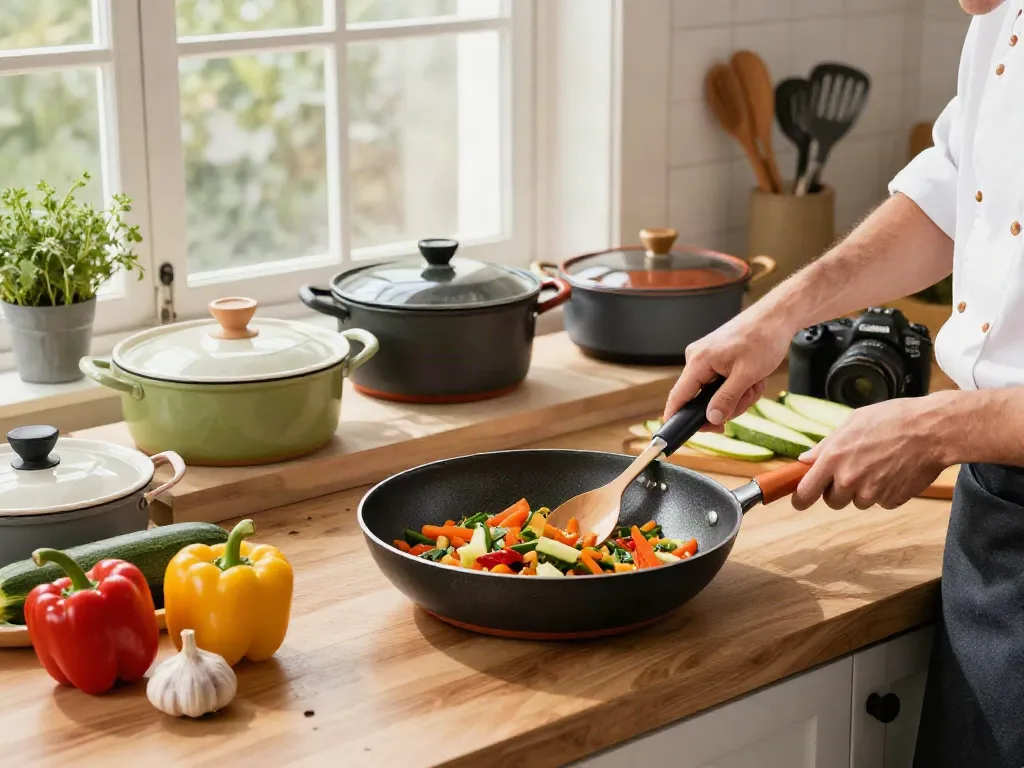
Non-stick cookware comes in various types, including frying pans, woks, casseroles, and full cookware sets. Each serves different culinary purposes. For example, woks are ideal for stir-frying, while frying pans are perfect for quick breakfasts. Identifying your primary cooking style can help in choosing the right type that suits your needs.
Important Features to Consider: Coating, Size, and Induction Compatibility
When selecting non-stick cookware, consider the coating type, size of the cookware, and whether it is compatible with induction stovetops. Some modern coatings offer enhanced durability and safety, while sizes vary to accommodate different family needs. Compatibility with induction cookers is crucial for seamless cooking experiences in modern kitchens.
Common Misconceptions About Non-Stick Cookware
Many consumers harbor misconceptions regarding non-stick cookware, particularly around its durability and safety. Some believe that non-stick pans are disposable, yet high-quality options can last for years with proper care. Additionally, concerns about chemicals in traditional coatings have led to advancements in safer, more effective alternatives, alleviating fears among health-conscious buyers.
Maintaining Your Non-Stick Cookware
Proper maintenance is key to extending the lifespan of your non-stick cookware. Adhering to recommended care instructions ensures that you can enjoy cooking with these versatile tools for years.
Best Practices for Care and Cleaning
When cleaning non-stick cookware, avoid abrasive scrubbers that can damage the coating. Instead, opt for soft sponges and mild detergents to preserve their non-stick properties. Additionally, avoid cooking sprays as they can build up residue over time, impacting performance.
What to Avoid: Mistakes That Shorten Lifespan
Common mistakes that can shorten the lifespan of non-stick cookware include using metal utensils, overheating, and storing them improperly. Always use wooden or silicone utensils and avoid subjecting pans to extreme heat. Proper storage solutions, such as stacking with protective liners, can also prevent scratching.
Signs That It’s Time to Replace Your Non-Stick Cookware
As non-stick cookware ages, it may display signs of wear, such as scratches or peeling coatings. When food begins to stick despite proper care, it’s time to consider replacement. Investing in new cookware ensures the safety and effectiveness of your cooking efforts.
Frequently Asked Questions About Non-Stick Cookware
As the popularity of non-stick cookware continues to grow, many questions arise among consumers. Below are some of the most frequently asked.
Which brand is best for non-stick cookware?
While preferences vary, brands like Walton, Kiam, and RFL are known for producing high-quality non-stick cookware that balances performance and affordability.
What is the highest quality non-stick cookware?
The highest quality non-stick cookware is typically defined by its material, coating type, and durability. Look for brands that utilize advanced ceramic or multi-layer coatings that enhance longevity and cooking performance.
How much do non-stick pans cost in Bangladesh?
The price of non-stick pans in Bangladesh can range between BDT 1,500 and BDT 12,000, depending on brand, size, and features.
Are there eco-friendly options for non-stick cookware?
Yes, many brands are now offering eco-friendly options, using sustainable materials and coatings that are free of harmful chemicals, catering to environmentally conscious consumers.
What safety standards should I look for in non-stick cookware?
It’s important to choose non-stick cookware that adheres to safety standards set by regulatory bodies. Look for labels indicating PFOA-free and BPA-free materials to ensure safety during cooking.