Understanding Wooting 60HE v2 Case Compatibility
The Wooting 60HE v2 keyboard represents a significant evolution in the world of mechanical keyboards, combining high-performance components with innovative technology. When considering building or customizing your Wooting 60HE v2, understanding Wooting 60HE v2 case compatibility is crucial. Having the right case not only ensures a perfect fit but also enhances the overall aesthetic and functional experience of your keyboard.
What is the Wooting 60HE v2?
The Wooting 60HE v2 is a cutting-edge mechanical keyboard designed with Hall Effect technology, providing smooth actuation and customizable key functions. This keyboard is compact, featuring a standard 60% layout that is popular among gamers and typists alike. The v2 version improves on its predecessor with updates designed to enhance stability, responsiveness, and user customization options.
Importance of Case Compatibility
Case compatibility for the Wooting 60HE v2 is essential for multiple reasons. Firstly, a well-fitting case ensures that all components, including the PCB and switches, are securely housed, preventing damage during use. Secondly, the right case can influence the keyboard’s acoustic properties; for example, aluminum cases often provide a more resonant, solid sound compared to plastic cases. Finally, aesthetic appeal is a significant factor—many users desire a case that reflects their personal style and complements their workspace.
Common Issues with Case Compatibility
Users looking to customize their Wooting 60HE v2 may encounter common issues related to case compatibility. Not all 60% cases are designed with the same mounting systems or layouts, which can lead to mismatches. Many aftermarket cases may lack the necessary support for the specific features of the Wooting 60HE v2, such as its unique switch mounting system. Additionally, improperly fitting cases can lead to issues such as poor acoustics or rattling sounds during use.
Types of Cases Compatible with Wooting 60HE v2
Metal vs. Plastic Cases
When selecting a case for your Wooting 60HE v2, one of the first decisions you'll encounter is whether to choose a metal or plastic option. Metal cases, often made from aluminum or steel, tend to be more durable and provide a premium feel. They also tend to be heavier, which can contribute to a more stable typing experience. Conversely, plastic cases are typically lighter and may offer more vibrant color options, appealing to users looking for a unique design.
Top Mount vs. Gasket Mount Cases
The mounting style of the case also plays a crucial role in the overall feel and performance of the keyboard. Top mount cases secure the PCB directly to the top of the case, offering a firmer feel during typing. In contrast, gasket mount cases leverage rubber gaskets to cushion the PCB, creating a softer, more flexible typing experience. Ultimately, your choice should align with your personal preferences in terms of typing feel and sound.
Aftermarket Options and Customization
The aftermarket for keyboard cases has grown significantly, providing numerous options tailored for enthusiasts. Many brands produce customizable cases that allow users to mix and match colors, materials, and layouts. For the Wooting 60HE v2, popular aftermarket options often include various combinations of aluminum and plastic, with some cases even featuring RGB lighting that syncs with your keyboard's functions. This level of customization ensures that you can build a keyboard that not only performs well but looks great too.
Step-by-Step Guide to Building Your Wooting 60HE v2
Gathering Necessary Tools and Components
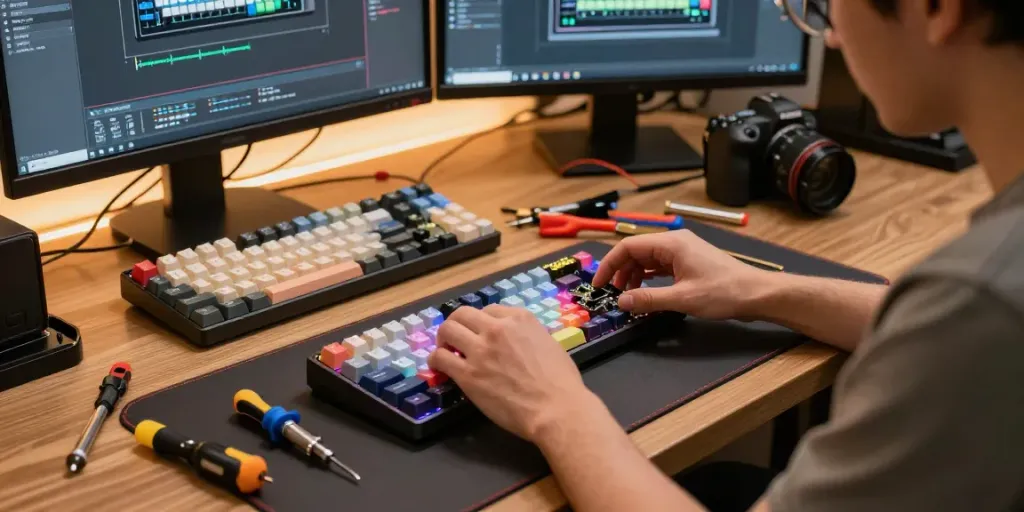
Before diving into the assembly of your Wooting 60HE v2, it's important to gather all necessary components and tools. Along with the keyboard kit, you will need a suitable case, switches, keycaps, and basic tools like a screwdriver and tweezers. Having everything prepared beforehand will streamline the building process and minimize frustration.
Assembling the Key Components
The assembly of the Wooting 60HE v2 involves securing the switches onto the PCB, carefully placing the PCB into the chosen case, and finally adding keycaps. Each step requires careful attention to ensure that all components fit securely and function as intended. For those unfamiliar with mechanical keyboard assembly, following detailed guides and tutorials can be incredibly helpful.
Testing for Compatibility and Functionality
Once the keyboard is assembled, it's crucial to test for compatibility and functionality. This can be done by connecting the keyboard to a computer and checking that all keys register properly. Any issues with key presses could indicate a problem with the assembly or compatibility of the components. Testing software can also help verify that all functions, including custom mappings, work correctly.
Real-World Examples of Custom Builds
Showcase of Unique Builds
The world of custom keyboards is vibrant and full of creativity. Numerous enthusiasts share their unique builds online, showcasing various case styles, colors, and configurations. From sleek minimalistic designs to bold, colorful setups, the possibilities are endless. These builds often inspire others in the community to explore their customization options.
User Testimonials on Compatibility Experiences
Many users have shared their experiences with case compatibility for the Wooting 60HE v2, providing valuable insights into the best choices for different needs. For instance, some have praised the enhanced acoustics of aluminum cases while others prefer the lightweight convenience of plastic options. User testimonials often highlight how the right case not only enhances performance but also personalizes the keyboard lifestyle.
Case Studies on Performance Enhancements
Performance enhancements through case choices can be significant. For example, users who have switched from a plastic to an aluminum case frequently note improvements in typing stability and feedback. Meanwhile, gasket mount cases have been reported to reduce vibrations and noise levels considerably, making them ideal for quieter work environments. These case studies provide concrete examples of how the right choice can impact user experience.
Future of Custom Mechanical Keyboards
Emerging Trends in Keyboard Technology
The custom mechanical keyboard market is evolving rapidly. Emerging trends include the integration of smart features, customizable RGB lighting, and enhanced ergonomics. With advancements in technology, keyboards are becoming more than just input devices; they are now aesthetic and functional statements in daily setups.
Predictions for the Customization Market in 2026
Looking ahead to 2026, the customization market is expected to grow even further. As more users discover the joys of building their own keyboards, manufacturers will likely respond with a wider variety of cases, switches, and keycap options. This trend will likely expand into enhanced features such as programmable macros and Bluetooth connectivity, making keyboards even more versatile.
How Wooting is Leading Innovation
Wooting is at the forefront of this innovation, consistently pushing boundaries in keyboard technology and customizability. Their commitment to quality and performance ensures that users have access to the tools they need to create the ideal typing experience. As they continue to develop new products and features, keyboard enthusiasts can expect exciting advancements in the world of mechanical keyboards.
What cases are compatible with Wooting 60HE v2?
Compatibility for the Wooting 60HE v2 includes metal and plastic options, with various styles such as top mount and gasket mount cases available. Each style offers unique benefits that can enhance the overall experience.
How to choose the right case for my build?
Choosing the right case involves considering factors like build material, desired aesthetics, and personal typing preference. It's essential to understand the unique attributes of each case type to make an informed decision.
What tools do I need for assembling my Wooting 60HE v2?
Basic tools needed for assembly typically include a screwdriver, tweezers, and possibly a soldering iron if you opt for non-hot-swappable switches. Additionally, having a stable workspace will help streamline the process.
Can I customize my Wooting 60HE v2 further?
Absolutely! The Wooting 60HE v2 is designed with customization in mind, allowing users to swap out switches, keycaps, and even the case. This level of customization offers extensive opportunities for personalization.
What should I do if my case is not compatible?
If you find that your selected case is not compatible, consider reaching out to communities for support or investing in a different case that meets compatibility requirements for the Wooting 60HE v2. Sometimes, minor adjustments or additional mounting options may help improve fit and functionality.