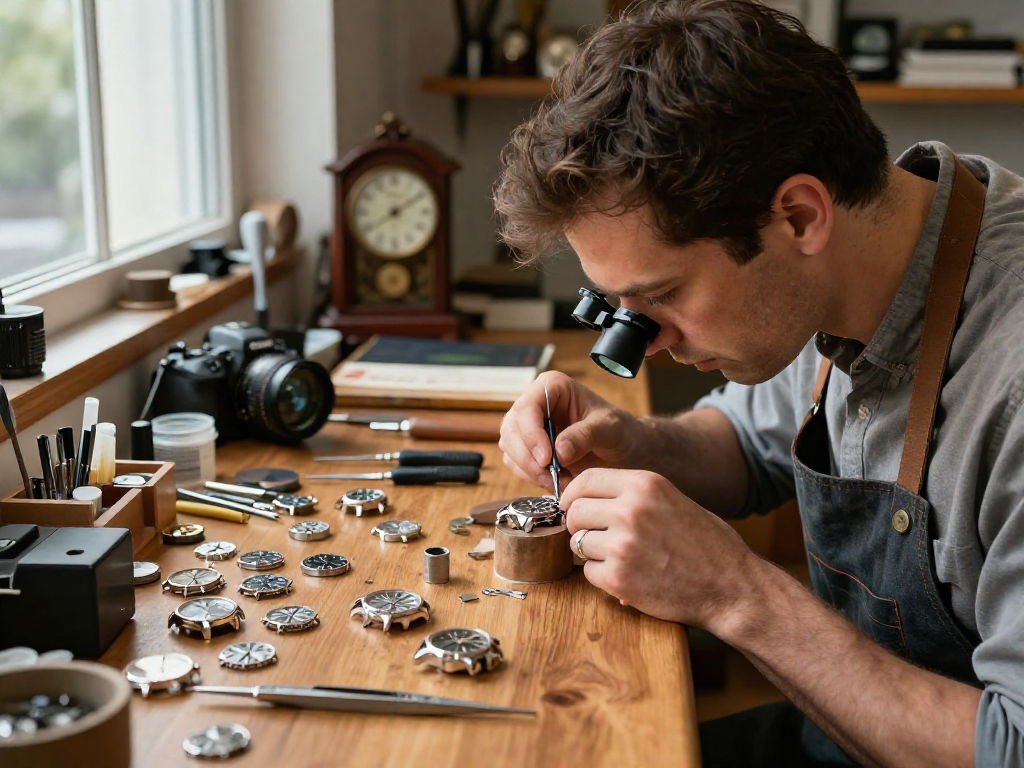
Understanding the 2135 Movement Parts
The 2135 movement is well-regarded in the horology industry for its precision and reliability. This specific movement has gained popularity among watchmakers and enthusiasts alike, making it important to understand its various parts and their functionality. Investing in quality 2135 movement parts can significantly enhance the performance and longevity of a timepiece, providing an edge in both craftsmanship and aesthetics.
What Are 2135 Movement Parts?
2135 movement parts refer to the individual components of the 2135 watch movement, which is a self-winding mechanical movement developed by a prominent Swiss watch manufacturer. This movement is utilized in various high-end watch models, known for its slim profile and robust performance. Key components of the 2135 movement include the main plate, gear train, escapement, balance wheel, and rotor, each playing a crucial role in the functionality of the watch.
The Importance of Quality Components in Watchmaking
The watchmaking industry is highly competitive, and using quality components is essential for ensuring a timepiece's durability and accuracy. High-quality 2135 movement parts contribute not only to the watch's performance but also to its overall aesthetic appeal. Components that are crafted with precision better withstand the rigors of daily wear, ensuring that the watch remains operational for many years.
Common Types of 2135 Movement Parts
- Main Plate: This is the structural foundation of the watch, housing various components and providing support.
- Gear Train: Composed of several gears, this system transfers energy from the mainspring to the escapement.
- Escapement: This vital part regulates the release of energy, ensuring accurate timekeeping.
- Balance Wheel: The balance wheel oscillates back and forth, maintaining the movement's timing stability.
- Rotor: In automatic movements, the rotor winds the mainspring as it moves, providing a continuous energy source.
Tools Necessary for Working with 2135 Movement Parts
Essential Tools Every Watchmaker Needs
When working with 2135 movement parts, having the right tools is imperative for any watchmaker. Essential tools include a high-quality screwdriver set for precision assembly, tweezers for handling delicate parts, and a magnifying loupe for detailed inspection. Additionally, specialized tools such as a balance wheel remover and a mainspring winder can streamline the watchmaking process.
Maintaining Your Watchmaking Toolkit
Regular maintenance of your watchmaking tools is crucial to guarantee accurate results. Clean your tools after every use, removing any dust or debris that could affect precision. It's also important to periodically check the calibration of your tools, especially if they are used frequently. Properly storing your tools in a clean, dry environment will prevent rust and ensure longevity.
Comparing Traditional vs. Modern Tools
The evolution of watchmaking tools has led to significant advancements that enhance both efficiency and precision. Traditional tools, while effective, often require a higher skill level to use correctly. Modern tools, such as computerized timing machines and automated assembly devices, can simplify intricate tasks, making it easier even for novice watchmakers to achieve professional-level results.
Best Practices for Assembling 2135 Movement Parts
Step-by-Step Guide to Assembly
Assembly of the 2135 movement requires a meticulous approach. Here's a simplified step-by-step guide:
- Begin by securing the main plate on your workbench.
- Carefully install the gear train, ensuring each gear aligns correctly.
- Attach the escapement and balance wheel, double-checking their movement.
- Finally, incorporate the rotor, making sure it can rotate freely.
Troubleshooting Common Assembly Issues
Even seasoned watchmakers may encounter issues during assembly. Some common problems include misaligned gears, which can cause the movement to jam, and improperly seated balance wheels, which can affect timing accuracy. If you face such issues, revisit each assembly step to verify alignment and fit before proceeding.
Maintenance Tips for Longevity
To ensure the longevity of your 2135 movement, regular maintenance is essential. Services should include cleaning the movement, lubricating moving parts, and replacing any worn components. Properly maintaining your watch not only preserves its value but also enhances its overall performance.
Advanced Techniques for Mastering 2135 Movement Parts
Innovative Modifications for Performance Enhancement
Expert watchmakers often explore innovative modifications to enhance the performance of the 2135 movement. This could include adjusting the balance wheel for improved timing accuracy or customizing the rotor for enhanced winding efficiency. Implementing such modifications requires both technical skill and a deep understanding of the movement's mechanics.
Customization Options for Personalization
Customization is becoming increasingly popular among watch enthusiasts. Options for personalizing a 2135 movement include changing the design of the dial, selecting different case materials, or incorporating unique engravings. Such personalized touches make a timepiece uniquely yours and can significantly enhance its aesthetic appeal.
Case Studies of Exceptional Watch Builds
Many horologists have created exceptional timepieces using the 2135 movement. For instance, a renowned Swiss brand crafted a limited edition watch featuring a stunning sapphire crystal case back that showcases the intricate workings of the 2135 movement. This not only highlights the craftsmanship but also adds a layer of unique storytelling to the watch.
The Future of 2135 Movement Parts in Horology
Emerging Technologies Shaping Watchmaking
The horology industry is evolving with the introduction of new technologies. Innovations such as 3D printing are now being used to create intricate components with unmatched precision. As these technologies become mainstream, they will further enhance the capabilities of 2135 movement parts, allowing watchmakers to push the boundaries of design and functionality.
Predictions for 2026 and Beyond
As we look to the future, it is expected that the demand for 2135 movement parts will continue to rise. Industry experts predict a surge in interest for sustainable and eco-friendly practices, which could lead to the development of new materials and manufacturing techniques that cater to environmentally conscious consumers.
How to Stay Updated with Industry Trends
Staying informed about the latest trends in watchmaking is crucial for both enthusiasts and professionals. Subscribing to industry publications, attending watch fairs, and joining online forums can provide valuable insights into emerging technologies and design philosophies. Engaging with fellow horologists can also foster a greater understanding of the latest innovations.
What Is the Value of 2135 Movement Parts?
The value of 2135 movement parts can vary based on their quality and rarity. Genuine parts sourced from reputable manufacturers typically command a higher price, reflecting their craftsmanship and reliability. Collectors often seek out these components not only for functional purposes but also as investments, as certain pieces can appreciate over time.
How Do I Choose Quality 2135 Movement Parts?
When selecting 2135 movement parts, consider factors such as brand reputation, manufacturing processes, and warranty offerings. It's advisable to source parts from established suppliers who provide documentation verifying the authenticity of their components. Reviews from reputable watchmakers can also serve as valuable guidance in making informed purchases.
Are 2135 Movement Parts Interchangeable with Others?
While some parts may appear similar, interchangeability is not guaranteed. Factors such as design specifications and compatibility with other movements can impact whether certain parts can be swapped. It's essential to consult technical diagrams and specifications to ensure that any replacement parts are suitable for your specific watch model.
What Tools Do I Need for Working with 2135 Movement Parts?
In addition to basic watchmaking tools, specialized equipment is often necessary for working with 2135 movement parts. Tools such as a parts tray to prevent losing small components, a movement holder for easy handling, and a cleaning kit specifically designed for watch parts are essential to create a comprehensive toolkit for successful watch assembly and repair.
How Can I Learn More About Watchmaking Techniques?
Learning about watchmaking techniques can be an exciting journey. Numerous online courses, workshops, and resources are available for enthusiasts at various skill levels. Engaging with experienced watchmakers through mentorship programs can provide invaluable hands-on experience and insights into mastering the intricate art of horology.